Table of Contents
ToggleIntroduction
Content writing for marketing purposes is tough, especially when it comes to engagement metrics. It is difficult to engage your audience with marketing content (blogs, web pages, service pages, ads, etc.).
Content writers must contend with endless scrolling if they cannot create content that keeps website visitors engaged.
While there are many elements that make content engaging– such as graphs, tables, images, anecdotes, stories, etc., by which content writers try to enhance the engagement metrics and prevent their readers from leaving their content very soon, using movies can be a very result-oriented approach.
Famous movies, scenes, dialogues, and characters are a strong source of engagement for content writers. Using movie references in content can turn even the most dry posts into immersive experiences.
Integrating cinematic elements doesn’t just make your writing more fun; it connects with the psychology of your audience readily, as most readers will easily comprehend the movie scene or dialogue and how it fits into the content context.
This article explains in detail how content writers can use movies to create engaging content that nourishes the appetite of their readers and keeps them interested in the content.
Three Ways to Use Movies for Engagement Boost
Movies can create deeper connections with viewers and quickly trigger memories. When you use their reference in your content, you can not only explain complex concepts more easily but also capture the viewer’s attention.
For instance, if you are explaining how poor competitor analysis, stubborn attitude, and delayed decision-making can harm a business, starting with the example from the movie Lamborghini: The Man Behind the Legend (2022) can be a strong engagement hook.
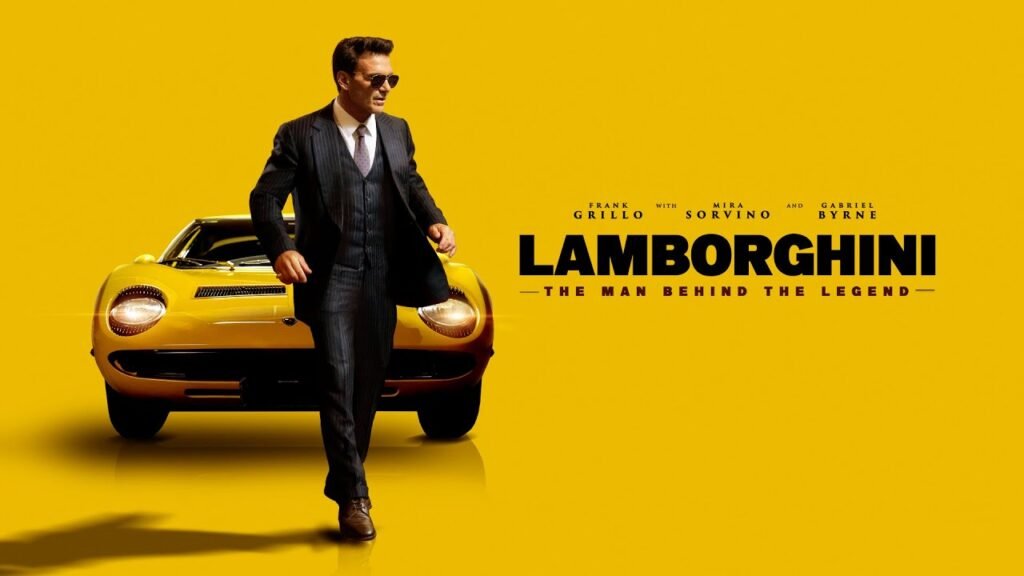
This film shows how inaction, competitive ignorance, and a stubborn attitude cost Ferrari, and how Lamborghini, which originally made tractors, became Ferrari’s formidable competitor.
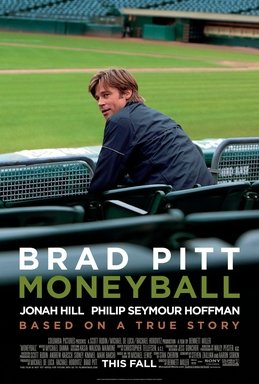
Another example is Moneyball. It is a biographical sports drama about Oakland A’s general manager Billy Beane’s successful attempt to assemble a baseball team on a lean budget by employing unconventional computer-generated analysis to acquire new players. The film teaches group dynamics and the role of ‘change’ and ‘innovation’ in any business.
Therefore, if you want to write about group dynamics, unconventional business approach, or innovations, reference the film Moneyball in your content.
When you reference a popular film, you’re instantly creating a rapport with the audience. Familiar stories, memorable movie scenes, and popular characters evoke nostalgia, refreshing the audience’s memories and letting you capture their unwavering attention.
There are three prominent ways to use movies for content engagement:
- Movie Scenes: A single scene can explain a complex idea.
- Movie Dialogues: One famous dialogue can communicate a brand message faster than a full paragraph.
- Movie Characters: A beloved character can represent your audience’s struggles better than any content.
1. Movie Scenes: How to Use For Engagement Metrics?
For instance, if you are a finance content writer explaining concepts such as the economic crisis, risk management, or the stock market, you can cite the film Too Big to Fail, which chronicles the 2008 financial crisis.
Many financial concepts can be learnt from this movie. Your audience can easily relate to the movie.
Systemic risks and their consequences, how financial regulatory bodies operate, and the importance of contigency plans in the financial world are all concepts we can learn from the movie.
See the scene below from the Too Big to Fail Movie:
If you are writing about decision-making, a never-give-up attitude, or perseverance, quoting scenes from The Pursuit of Happyness is the best approach.
Review the scene below from the movie that demonstrates how, even in adverse situations, honesty, grit, and calm behavior can deliver the desired results.
The protagonist, Christ (Will Smith), goes directly to an interview after spending a night in jail and therefore doesn’t have time to change into a formal shirt. He runs to the interview place and still manages to crack the interview. without even wearing a shirt
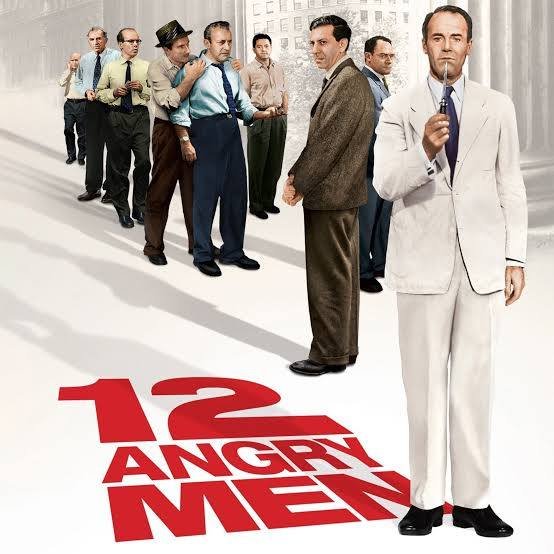
The American motion picture 12 Angry Men (1957) depicts an adapted closed-room drama in which a dissenting juror in a murder trial attempts to influence the verdict with his personal prejudices and biases. The film and its scenes can be quoted to illustrate concepts such as prejudice, bias, human psychology, the power of influence, and the complexities of the human mind, anger management, and leadership, among many others.
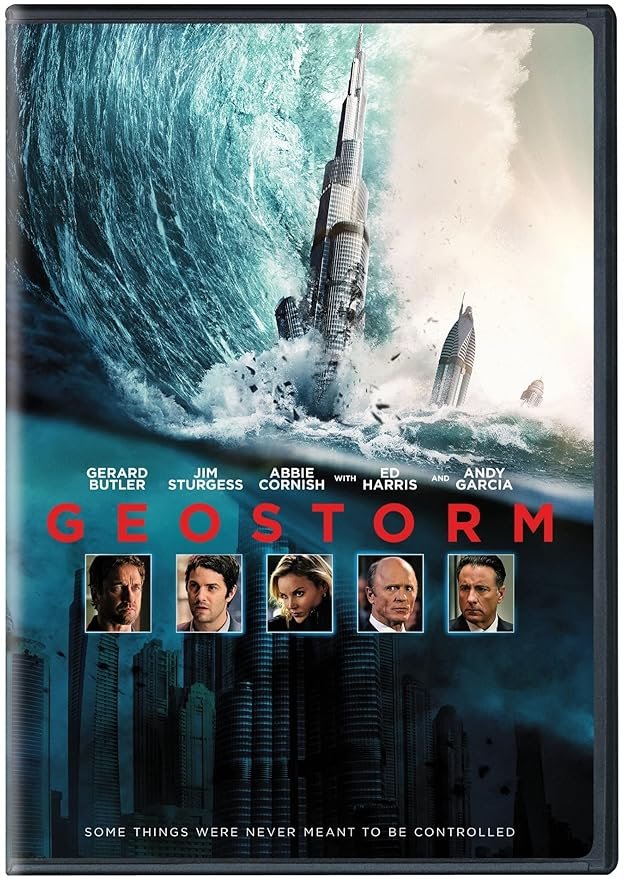
If you are writing about events such as global warming, environmental causes, or climate disruptions, quoting from movies like The Day After Tomorrow or Geostorm is a perfect way to begin the article.

More examples of how to use movie scenes for content engagement:
Remember the scene from the film The Founder where Ray Kroc tells one of the McDonald brothers about why he chose to take control of the McDonald’s brand name.
2. Movie Dialogs: How to Use For Engagement Metrics?
If you want to create a highly optimistic note for your audience, then you can start with the dialogue from the movie Theory of Everything, where Professor Hawking gives a speech about the philosophy of life that helps you.
“It is clear that we are just an advanced breed of primates on a minor planet orbiting around a very average star in the outer suburb of one among a hundred billion galaxies, but ever since the dawn of civilization, people have craved for an understanding of the underlying order of the world. There ought to be something very special about the boundary conditions of the universe, and what can be more special than that there is no boundary. And there should be no boundary to human endeavour. We are all different. However bad life may seem, there is always something you can do and succeed at.”
Or what else can be a great start for an article about optimism, sales target achievement, or employee morale boost than starting with dialogues from the film The Wolf of Wall Street? Remember Leonardo DiCaprio’s powerful speech to his employees. Goose Bumps!
Beyond the high-octane energy of Wall Street, you can also use dialogues to simplify complex professional ethics or negotiation tactics.
For example, if you are writing a guide on effective negotiation or B2B sales, nothing hits the mark quite like a reference to The Godfather.
“I’m gonna make him an offer he can’t refuse.”
This single line instantly communicates the concept of creating “irresistible value propositions”. Instead of writing three paragraphs on why a deal should be mutually beneficial but weighted in your favor, quoting Don Corleone sets a tone of authority and strategic thinking that keeps your reader hooked to see how you apply that “offer” to their specific industry.
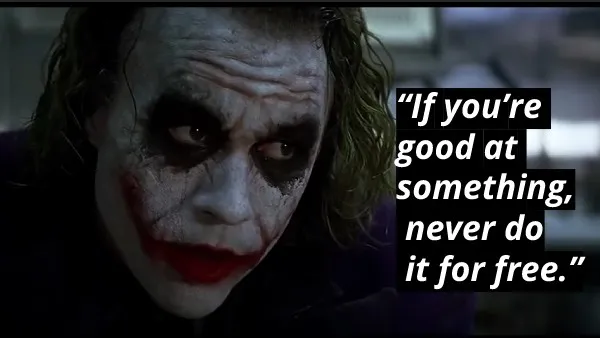
Similarly, if your content is about self-worth in business, quoting Joker (Heath Ledger) from The Dark Knight provides an accurate hook:
“If You are Good at Something, Don’t Do it for Free.”
If you are concerned about evolving with the market, using the dialogue by the Joker–
‘This City Deserves A Better Class Of Criminal, And I’m Gonna Give It to them’ at the start of a piece on rebranding or market relevance, it creates an immediate emotional stake for the reader,

If you are writing about teamwork, unity, or collaboration, you can quote from the movie Avengers: Endgame.
“Whatever it takes.”
This dialogue works wonderfully when writing about organizational culture, project execution, or achieving difficult goals. The emotional recall from the movie scene instantly strengthens your content message.
Film 300 Dialogue
That iconic dialogue from Zack Snyder’s 300 is the ultimate “mic drop” of ancient warfare. Spartans! What is Your Profession? It’s the dialogue that gave viewers goosebumps. The scene where King Leonidas meets an allied force of Arcadians, who are shocked to see that he only brought 300 men to face the Persian empire.
The Arcadian leader, Daxos, mocks the small Spartan contingent, noting that he brought many more soldiers than Leonidas did. He views the upcoming battle as a numbers game.
Leonidas, ever the strategist, decides to demonstrate that “soldiers” and “warriors” are not the same.
Leonidas turns to the Arcadians and starts asking individuals about their trade:
- The first man: “I’m a potter.”
- The second man: “I’m a sculptor.”
- The third man: “I’m a blacksmith.”
Then, Leonidas turns to his own men and bellows: “Spartans! What is your profession?!”
The response is a unified, deafening roar—a war cry that shakes the canyon.
3. Movie Characters: How to Use For Engagement Metrics?
A beloved character can represent your audience’s struggles, aspirations, or even their ‘inner critic’ better than any generic customer persona. When you personify a problem or a solution through a famous character, the reader doesn’t just “understand” the point—they feel it.
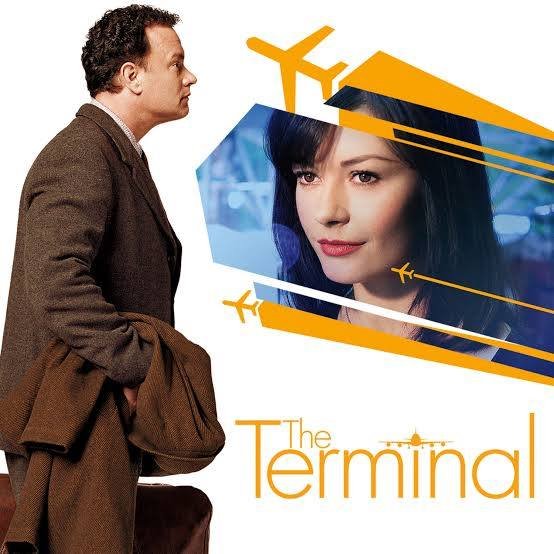
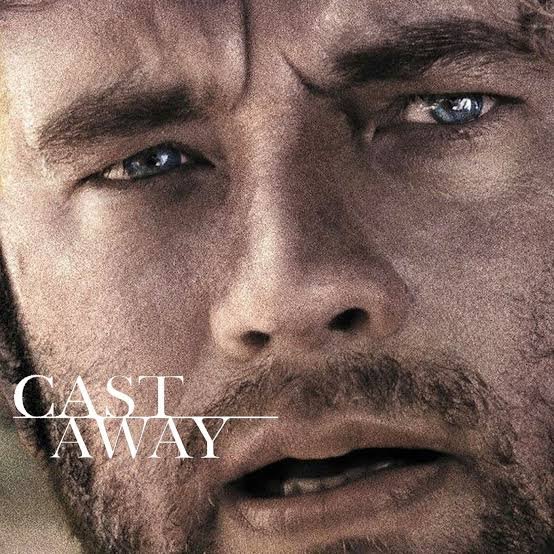
For instance, when explaining how to survive adverse conditions or isolation, quoting the characters played by Tom Hanks in The Terminal or Cast Away can be a strong example.
Tom Hanks’ performances in The Terminal and Cast Away are masterclasses in surviving adversity through creativity.
When Tom Hanks is trapped in the airport lounge or on the island, he survives with creativity, resistance, and sheer determination. In The Terminal: A stack of luggage carts becomes a source of income and dignity.
In Cast Away, A Wilson volleyball isn’t just sports equipment; it’s a vital psychological anchor.
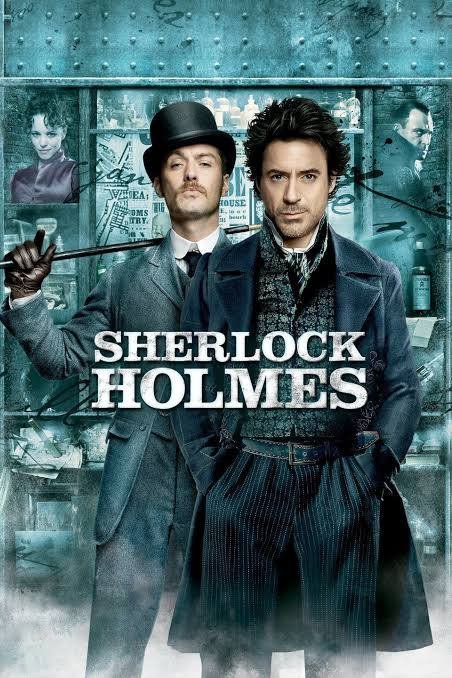
If you are writing about SEO, data analytics, or market research, referencing Sherlock Holmes is a perfect move. In these industries, we aren’t just looking at numbers; we are looking for clues to understand what people really want.
Everyone can see a spreadsheet, but an expert “observes” the patterns hidden inside it just like Sherlock Holmes.
Just as SEO professionals identify the user intent behind the keywords their audience types, Sherlock Holmes identifies the motive behind criminal acts. This is how you can relate a character to a topic while writing any content.
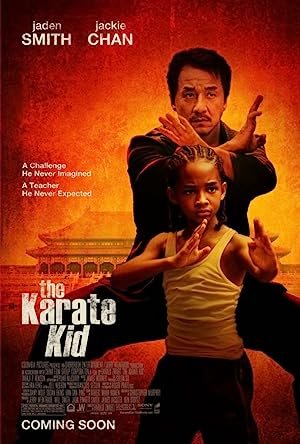
If you want to discuss focus and discipline, referencing The Karate Kid, played by Jaden Smith, is a great option.
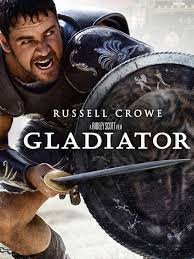
If you are writing on expertise or an indomitable spirit, then refer to Boyka Undisputed or Gladiator as Characters that personify the same.

The Psychology of Cinematic Engagement: Why It Works
Using movie references is more than just a creative “hook”; it is backed by cognitive science. According to research by Stanford professor Jennifer Aaker, stories are remembered up to 22 times more than facts alone. When a writer references a scene like the one in The Pursuit of Happyness or a character like Sherlock Holmes, they aren’t just providing an example—they are triggering a “mental shortcut” known as Parasocial Interaction.
Because audiences already have an emotional bond with these characters or memories of these scenes, the writer doesn’t have to spend time building rapport from scratch.
This “emotional recall using movies” instantly strengthens the content’s message, moving the reader from passive scanning to active, immersive engagement.
Best Practices for Integrating Movie References
To ensure your cinematic references hit the mark without distracting from your core message, follow these five pro-tips:
- Know Your Demographic: A reference to The Godfather resonates deeply with Gen X and Boomers, while an Avengers: Endgame quote might have more “stopping power” for a younger, tech-savvy audience.
- Avoid “The Spoiler” Trap: Never assume your reader has seen the entire movie. Briefly set the context. In this article, we have explained the context behind the movie 300. “What is your profession?” scene. This is important so the lesson remains clear even to a viewer who is not familiar with the topic.
- The 80/20 Rule: Keep your content focused. The movie reference should make up no more than 20% of the section, with the remaining 80% dedicated to applying that lesson to your specific business or technical topic.
- Visual Synergy: Whenever possible, pair a dialogue with an image, such as a still, GIF, YouTube video, or movie poster. Visuals help prevent “endless scrolling” and anchor the reader’s attention.
A good movie reference should do at least one of the following:
- Simplify a complex concept
- Create an emotional connection
- Provide a memorable analogy
- Act as a strong opening hook
- Reinforce the article’s central message
Conclusion
In an era of digital noise and shrinking attention spans, content writers must move beyond “telling” and start “showing.”
Movies offer a universal language that transcends dry industry jargon, allowing you to connect with your audience on a human level.
Whether you are personifying a struggle through Tom Hanks’ characters or boosting morale with a speech from The Wolf of Wall Street, cinematic elements transform your writing into an experience.
By choosing the right reference and applying it strategically, you can turn a simple blog post into a memorable narrative that truly nourishes your readers’ appetite.
When used thoughtfully, cinema becomes more than entertainment.
It becomes a storytelling toolkit for content writers.

About the Author
With a Degree in Management and over 8 years of experience in the content industry, Ms. Varsha Jain has a wealth of knowledge in both creative and technical writing. As the Director at Elorites Content, and being a film aficionado herself, she loves to explore how movies can shape engaging content.