
Exploring the types of content for the e-commerce industry? You have landed at the right place.
Is E-commerce so simple as it sounds – selling products and services online? Multiple questions follow when a business decides to operate from an online platform.
- How to make customers aware of your online products?
- Are the products visible to your customers?
- How to market your products on e-commerce platforms or marketplaces?
- How do you tell online shoppers about the value of your products?
- How can your e-store and products become more visible than your competitors’?
- How to write the content for your e-commerce products so that it ranks on Google Shopping or on other popular e-commerce marketplaces?
The answer to all the above queries is e-commerce content writing.
E-commerce content writing provides you with industry-specific content that will take your business to the next level by solving all the questions raised above. Great content, a superior UI/UX, and professional product images can help increase your e-commerce business’s online visibility, rankings, and sales.
Types of Content E-commerce Platform Needs:
An e-commerce platform is not driven by a single type of content but by an ecosystem of interconnected content formats, each serving a distinct role in the buyer journey.
1. E-Store Content
E-store content forms the foundation of trust. A content writer loads an E-commerce website with informational content, including product pages, product descriptions, terms and conditions, return policies, shipping options, customer service, and more. There is persuasive content, such as offers, company background, and testimonials, to build a strong connection with buyers.
E-store web content includes:
- About Us pages
- Terms & Conditions
- Privacy Policies
- Return & Refund Policies
- Shipping & Delivery Information
- Customer Support Pages
2. Product Descriptions
Product descriptions are salespeople without salaries. According to a study by Nielsen Norman Group, 20% of purchase failures occur due to incomplete or unclear product information. Quality product descriptions that detail specifications, USPs, competitive differentiators, product prices, warranty info, brand specifics, and how to use the product have a substantial impact on E-commerce sales. A professional content writer would create such product descriptions that persuade visitors to choose the particular E-commerce brand.
High-performing product descriptions:
- Highlight benefits, not just features
- Address buyer pain points
- Use sensory and experiential language
- Include SEO-friendly keywords naturally
3. Product Demo Content (Videos & Visual Guides)
Product demo videos and visual walkthroughs dramatically influence buying decisions. Shoppers are 73% more likely to buy after watching a product video. Videos enhance how products are displayed to e-commerce shoppers. It also intensifies the delivery of core competencies as videos strengthen engagement. A satisfying video includes a conceptual approach, HD format, and targeted video marketing.
These include:
- Product introduction videos
- Product description videos
- Unboxing videos
- Usage tutorials
- Before-and-after demonstrations
- Product comparison videos
4. Blogs
Blogs help e-commerce brands attract, educate, and nurture potential buyers before they’re ready to purchase. Companies that blog regularly generate 67% more leads than those that don’t.
Standard blog formats & concepts are:
- Product blogs
- Products comparison blog
- Buying guides
- Trend articles
- How-to articles
- Industry insights
5. Social Media Content
Social platforms are the new age product discovery engines. It is the content writer’s forte to make optimal use of social media platforms to build brand awareness. Also, replying to customer queries and highlighting their reviews improves the E-commerce brand’s online ratings.
Content writers help brands with:
- Platform-specific social media posts
- Social Media Videos
- Reels and Posts
- Relevant captions
- Brand storytelling
E-commerce businesses can scale faster and increase their sales with social media marketing content. Social engagement improves brand recall and positively impacts search visibility.
6. Marketing Materials
E-commerce marketing materials include infographics, email campaigns, SMS copy, product catalogs, etc. Each format serves a unique stage in the marketing funnel.
Marketing materials required for an e-commerce business are:
- Infographics
- Email campaigns
- SMS copy
- Product catalogs
- Ad Copy
- Slogans
- Taglines
- Brand storytelling
- Campaign messaging
- Taglines
7. SEO Content
SEO content for e-commerce brands ensures your products appear at the top of Google Shopping and e-commerce marketplaces. Your product must appear for the keywords the targeted audience searches for as they skim products. SEO content ensures discoverability. A professional content writer possesses the knowledge and experience to deliver quality content that appears in the top list of Google searches.
This includes:
- SEO-optimized Product Descriptions
- Category descriptions
- SEO Content for Collection pages
- Optimized blogs
- FAQs
- Schema-optimized content
8. Buyer’s Guides
Buyer’s guides serve as decision-support content for shoppers who are comparing options but haven’t finalized a purchase. These guides simplify complex buying decisions by breaking down features, use cases, pros and cons, and suitability for different customer needs. Well-crafted buyer’s guides reduce hesitation, shorten the decision cycle, and position the brand as a trusted advisor rather than just a seller.
Buyer’s guides typically include:
- Product category overviews
- Feature-by-feature comparisons
- “Who should buy this?” sections
- Pros and cons of each option
- Use-case-based recommendations
- Expert tips and recommendations
For high-ticket or technical products, buyer’s guides significantly improve conversion rates by answering questions customers didn’t even know they had.
9. Pricing Guides
Pricing guides bring transparency and clarity to purchasing decisions. Many buyers abandon carts due to pricing confusion, hidden costs, or unclear value propositions. Pricing guide content explains cost structures, pricing tiers, subscriptions, bundles, discounts, and long-term value in a clear, customer-friendly manner.
Practical pricing guides cover:
- Price breakdowns and inclusions
- Subscription vs one-time pricing explanations
- Feature-based pricing tiers
- Cost comparisons with alternatives
- Value justification (ROI-focused content)
- FAQs related to pricing and billing
By proactively addressing pricing concerns, pricing guides reduce friction, increase buyer confidence, and lower cart abandonment rates.
10. How-To Guides
How-to guides are educational, action-driven content pieces that help users understand how to use, maintain, assemble, or maximize the value of a product. These guides enhance post-purchase satisfaction while also influencing pre-purchase confidence. Customers are more likely to buy products that feel easy to use and well-supported.
How-to guide content includes:
- Step-by-step usage instructions
- Setup and installation guides
- Maintenance and care guides
- Troubleshooting guides
- Best practices and tips
- Advanced usage tutorials
How-to content reduces return rates, lowers customer support costs, and improves customer retention by ensuring users get maximum value from their purchases.
Industry-Specific Ecommerce Content Examples
E-commerce brands are successful based on how deeply they appreciate their customers’ perspectives and how well they can relate their experience with the brand. But another factor that cannot be sidelined is keeping up with the industry-specifics. Different e-commerce industries demand different content strategies. What convinces a fashion shopper will not work for a SaaS buyer or a B2B procurement manager.
Below is how content writing adapts across industries.
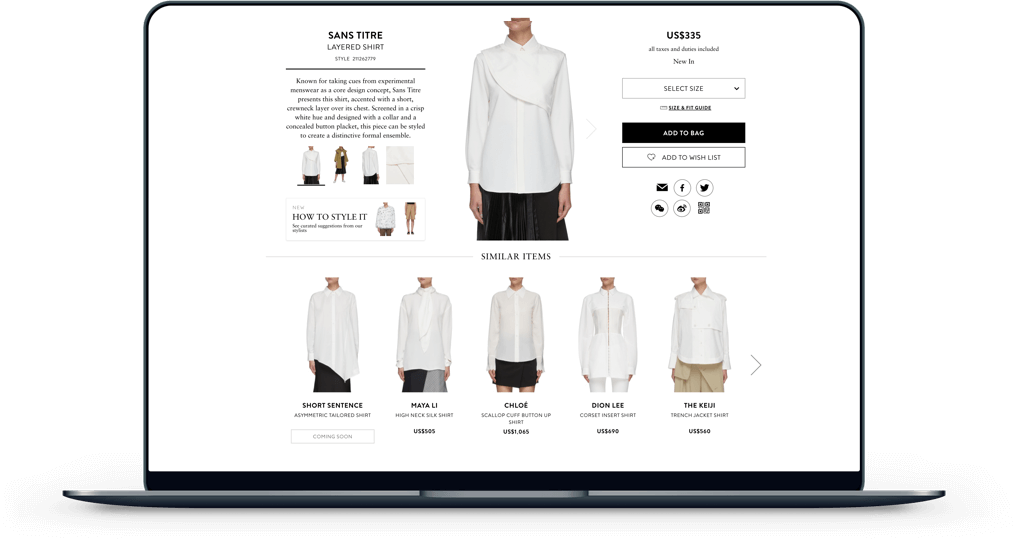
1. Fashion & Lifestyle Ecommerce
Content Focus: Emotion, aspiration, trends, lifestyle appeal
Key Content Types:
- Sensory product descriptions (fabric, fit, feel)
- Lookbooks and seasonal collections
- “How to style” blogs and videos
- Influencer-style storytelling
- Sustainability and ethical fashion content

Example:
Instead of writing “Cotton kurta with floral print”, a fashion content writer frames it as:
“A breathable cotton kurta designed for sun-soaked afternoons, blending timeless florals with effortless comfort.”
Why it works:
Fashion buyers don’t just buy clothes—they buy identity and lifestyle. In fact, Sprout Social reports that 78% of people prefer to learn about new products through short video content.
2. SaaS Ecommerce (Software as a Product)
Content Focus: Clarity, problem-solving, ROI, trust
Key Content Types:
- Feature-benefit landing pages
- Use-case-based blogs
- Comparison pages (Your SaaS vs competitors)
- Pricing & plan explanations
- Onboarding guides and FAQs

Example:
Instead of listing features like “Automated reporting dashboard, SaaS content reframes it as:
“Generate decision-ready reports in minutes—without spreadsheets or manual effort.”
Why it works:
SaaS buyers are logic-driven. They seek efficiency, cost justification, and proof of value.
3. Electronics & Consumer Tech Ecommerce
Content Focus: Accuracy, comparison, education, risk reduction
Key Content Types:
- Detailed technical specifications
- Feature comparison tables
- Buying guides (beginner vs pro)
- Explainer videos and demos
- Compatibility and usage FAQs
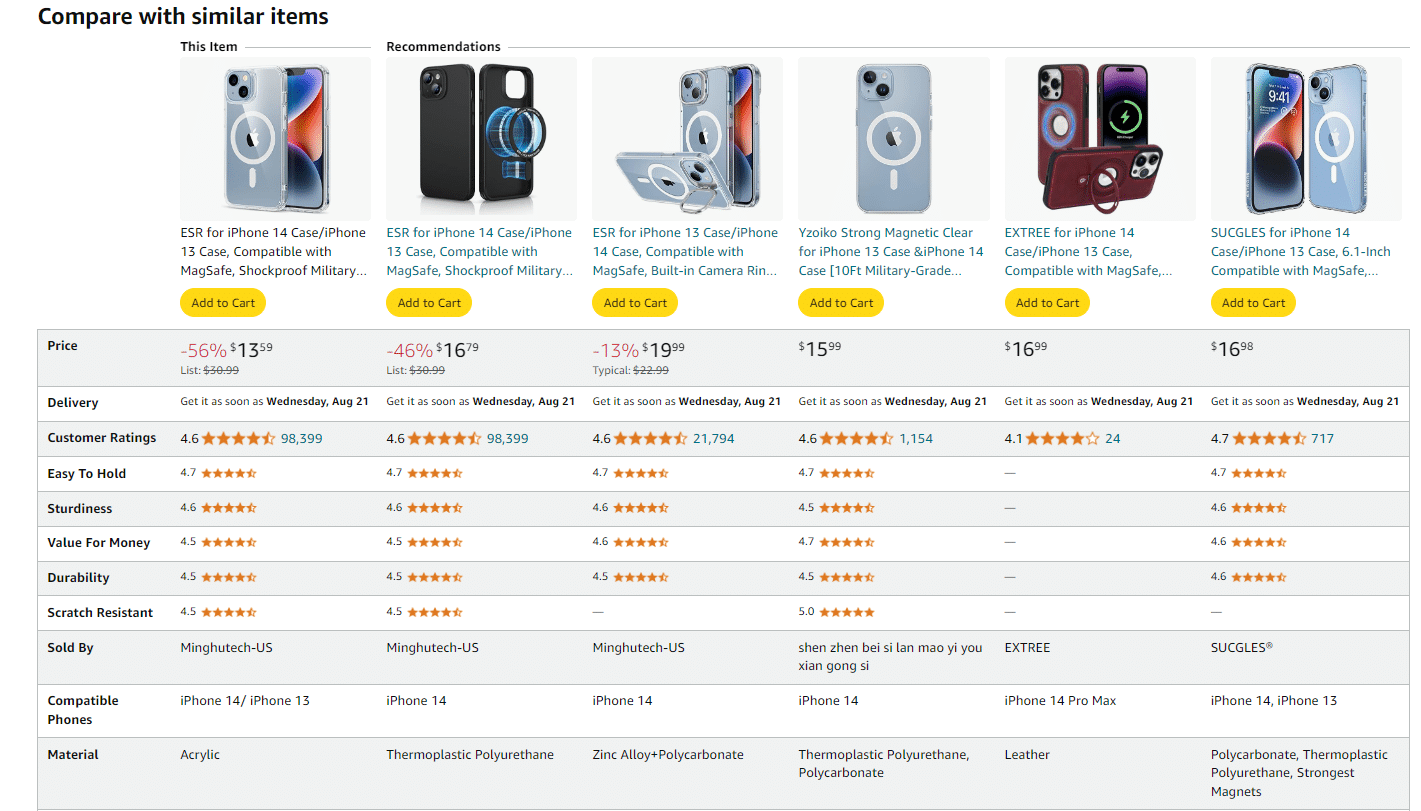
Example:
A laptop product page includes:
- Side-by-side processor comparisons
- “Best for students/gamers /professionals” sections
- Battery-life usage scenarios
Why it works:
Electronics buyers fear wrong decisions. Content reduces confusion and return rates.
4. B2B Ecommerce (Wholesale, Industrial, Enterprise Products)
Content Focus: Authority, trust, efficiency, long-term value
Key Content Types:
- Detailed product catalogs
- Industry-specific case studies
- Compliance & certification content
- Bulk pricing explanations
- Procurement-focused FAQs

Example:
Instead of flashy sales copy, B2B content emphasizes:
- Cost-per-unit savings
- Supply reliability
- Industry standards compliance
Why it works:
B2B buyers are rational, risk-averse, and relationship-focused. Content must speak the language of credibility.
5. Beauty & Personal Care Ecommerce
Content Focus: Trust, ingredients, results, self-care, expertise
Key Content Types:
- Ingredient-led product descriptions
- Skin & hair concern–based guides
- Routine-based blogs (AM/PM skincare, haircare routines)
- Before-and-after visuals and testimonials
- Dermatologist or expert-backed content

Example:
Instead of writing:
“Vitamin C face serum with hyaluronic acid,”
Beauty content reframes it as:
“A lightweight Vitamin C serum that brightens dull skin, boosts collagen, and delivers all-day hydration with hyaluronic acid.”
Why it works:
Beauty buyers are outcome-driven. Visual proof, ingredient transparency, and routine-based storytelling reduce hesitation and build confidence.
6. Health, Wellness & Nutrition Ecommerce
Content Focus: Credibility, safety, benefits, science-backed value
Key Content Types:
- Benefit-driven supplement descriptions
- Usage and dosage guides
- Ingredient sourcing transparency
- Wellness blogs (fitness, immunity, mental health)
- Certifications, lab tests, and compliance content

Example:
Instead of stating:
“Protein powder – 24g protein per serving,”
Wellness content positions it as:
“A clean, high-absorption protein formula that supports muscle recovery, strength, and daily nutrition—without artificial additives.”
Why it works:
Health buyers are cautious and research-heavy. Clean visuals, factual content, and compliance indicators build trust and credibility.
7. Home, Furniture & Interior Decor Ecommerce
Content Focus: Visualization, comfort, functionality, longevity
Key Content Types:
- Lifestyle-based product descriptions
- Room-wise buying guides
- Material, finish, and durability explanations
- Assembly and care guides
- Home styling and decor inspiration blogs

Example:
Instead of writing:
“Wooden coffee table with storage,”
Interior content reframes it as:
“A handcrafted wooden coffee table that blends modern design with hidden storage—perfect for clutter-free living rooms.”
Why it works:
Furniture buyers need to see the product in real spaces. Lifestyle imagery paired with descriptive content helps them visualize ownership.
8. Grocery & FMCG E-commerce
Content Focus: Convenience, freshness, transparency, speed
Key Content Types:
- Clear product labels and ingredient lists
- Nutritional and dietary information
- Usage, storage, and shelf-life details
- Recipe blogs and meal ideas
- Subscription and repeat-purchase content
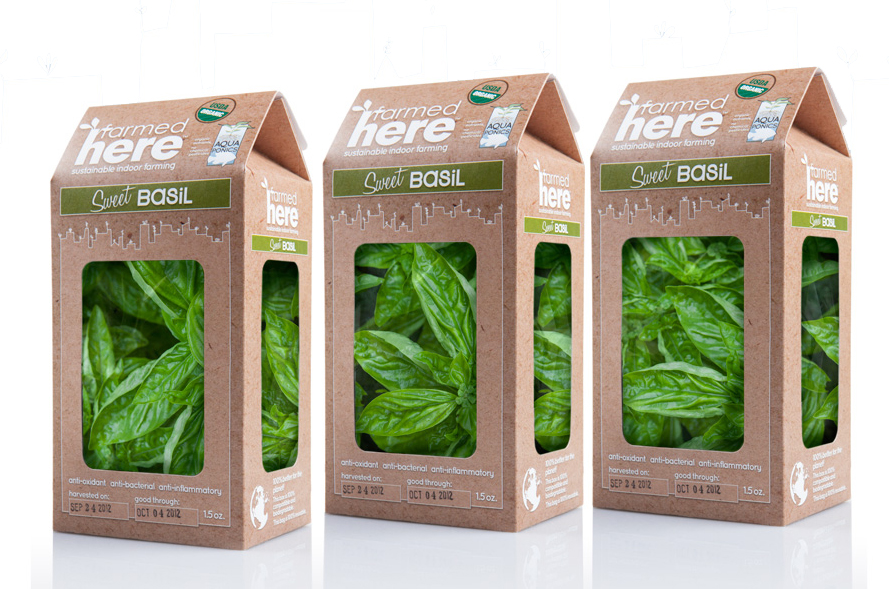
Example:
Instead of listing:
“Organic basmati rice – 5 kg,”
Grocery content presents it as:
“Premium long-grain organic basmati rice, naturally aged for aroma and fluffy texture—ideal for everyday meals and festive cooking.”
Why it works:
FMCG buyers make quick decisions. Clean visuals, readable labels, and practical usage content speed up conversions and encourage repeat orders.
Why E-commerce Businesses Require Content Writing Services?
#1 Engaging and Retaining the Customers:
Effective content forms a connection between the customer and the business that engages the customer. Additionally, engaging and valuable content plays a key role in E-commerce, helping customers begin their buying journey and keep coming back for more.
#2 Brand Awareness
Relevant E-commerce content on the web spreads awareness. A content writer understands what the buyer wants and provides reasons for them to visit the E-commerce website for further transactions.
Lucrative content on the digital platform does the job.
#3 Improve Credibility
E-commerce runs on the customer’s trust. A content writer works on customer testimonials, reviews, and ratings to showcase that the business is trustworthy.
Where there is Money involved, Confidence and confidentiality follow.
#4 Product Guidance
Product details, category descriptions, and other buying guides equip customers to make informed buying decisions. The relevant, straightforward content, created with the buyer in mind, that brings the search to an end, is a successful E-commerce. Product Guidance also leads to Customer Satisfaction and minimizes the buyer’s risk of slipping away during the purchase.
#5 Improve Sales
Rich and relatable content would entice more buyers to the e-commerce website. A content writer helps an e-commerce business strategize content to increase traffic and create maximum opportunities for buyers to make a purchase.
Everything is about the end conversion.
With high competition in E-commerce, customers must be able to distinguish your products from others based on factors beyond price. A Content Writer helps with the differentiation.
Benefits of Hiring Content Writing Services for the E-commerce Sector
Content plays an essential role in the success of E-commerce. Also, the produced content cannot be pointless or irrelevant. Various strategies are employed for content creation and posting to better appeal to customers. Therefore, bringing a professional Content Writer is beneficial for E-commerce.
The skills that a professional Content Writer brings to the table for E-commerce:
1. Understand the Target Audience
The process in which a content writer works hand in hand with E-commerce helps both parties better understand their audiences. These include understanding demographics and purchase patterns, identifying touchpoints to improve conversion rates, and keeping buyers engaged through user-friendly processes and content.
2. Content Efficiency
A content writer spends time understanding the audience, and thus, the content produced is effective in building a connection between buyers and E-commerce. Furthermore, pertinent content also engages the buyer, leading to conversant purchases.
3. Guarantee of quality
A content writer brings years of experience, helping generate high-quality content. With a content writer on board, it is easier to produce quality content rather than display meaningless information to rank on Google’s first page and attract buyers.
4. No Risk of Duplication
Using the manufacturer’s product description is quite common in E-commerce, and it is also subject to duplicate content penalties. A professional content writer helps eliminate repetitive content.
5. Smoothens the transition
Whether it is trouble with the initiation, creating a storyline, doing customer research, or plotting an SEO strategy or advertisements, a content writer has the way out. Additionally, these methods are cost-effective, time-saving, and backed up with varied experiences of the content writer for E-commerce to achieve the goals.
6. Voice Search Optimized Content
The remarkable progress in AI, such as Alexa and Siri, and the rise in voice commands have made everyone’s lives more convenient. Hence, voice searches hold the future of E-commerce. Content writers for e-commerce optimize their content to appear in voice searches.
Wrapping Up
Given how rapidly technology is advancing, e-commerce must facilitate the entire purchase process for customers. E-commerce brands that proactively adopt new technologies and educate their audiences achieve better success rates. Such transitions would be more comfortable with professional content writing services for the e-commerce sector on board.
Feel free to contact us for details.
Author Bio:
Jayesh Mehta is the Director at Elorites Content. He is a proficient content writer and content strategist with over 10 years of experience in the field. In this post, he provides guidance on the types of content e-commerce businesses need to market and sell their products.