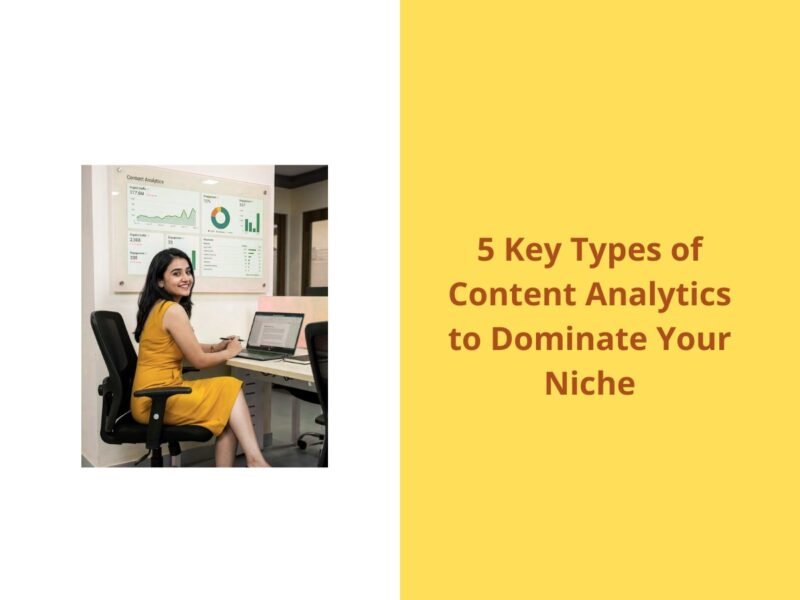

Creating content that is both engaging for the target audience and optimized for search engines is a critical strategy for any digital presence. Here are comprehensive guidelines for content writers aiming to produce:
- Top-quality
- SEO-friendly
- AI-free
- People-friendly
- Helpful
- Plagiarism-free
- Human-generated content
that has the potential to rank well on Google and help users.
5 Step Process for Writing Quality Content
We have designed the following 5 steps to create content that surpasses existing content in terms of depth, quality, and usability.
Point 1: Making the Content Informative and Original
For any given content that you want to write, first, go to Google and search for the top-ranking content. Select the first 8-10 Content titles and see what points they have covered.
As Google or other search engines have already used a lot of content quality metrics to select these 8-10 content on the first page of SERP, you know that they are the current benchmarks. What you have to do is to write better than they have done and add points that are not covered in their work.
So, create your own content with at least 4-5 original points not covered in them. You will wonder how you will find those content gaps or points that are not covered
How and where to get those points?
- Go to Google Scholar and find any article published in the title.
- Search for the topic on Forbes, McKinsey, Harvard Business Review, HubSpot, Business2Community, Gartner, Deloitte, PWC, and such high-quality websites.
- Search for Journals that publish on those topics. For example, if you are writing about retail, then incorporating content ideas, statistics, and facts from reputable sources like Retail Dive, Modern Retail, and Dunnhumby will enhance the quality of your content.
- Search and know the top publications for each niche by Google search. (For ex, top journals and publications in the IT field).
- Search for the latest news, images, and videos on the topic for more ideas and different points than those covered in the first 6-7 results on Google.
- Do not keep quoting Statista everywhere. Try to quote from the latest news articles, journals, and publications relevant to the field.
Point 2: Making the Article Engaging
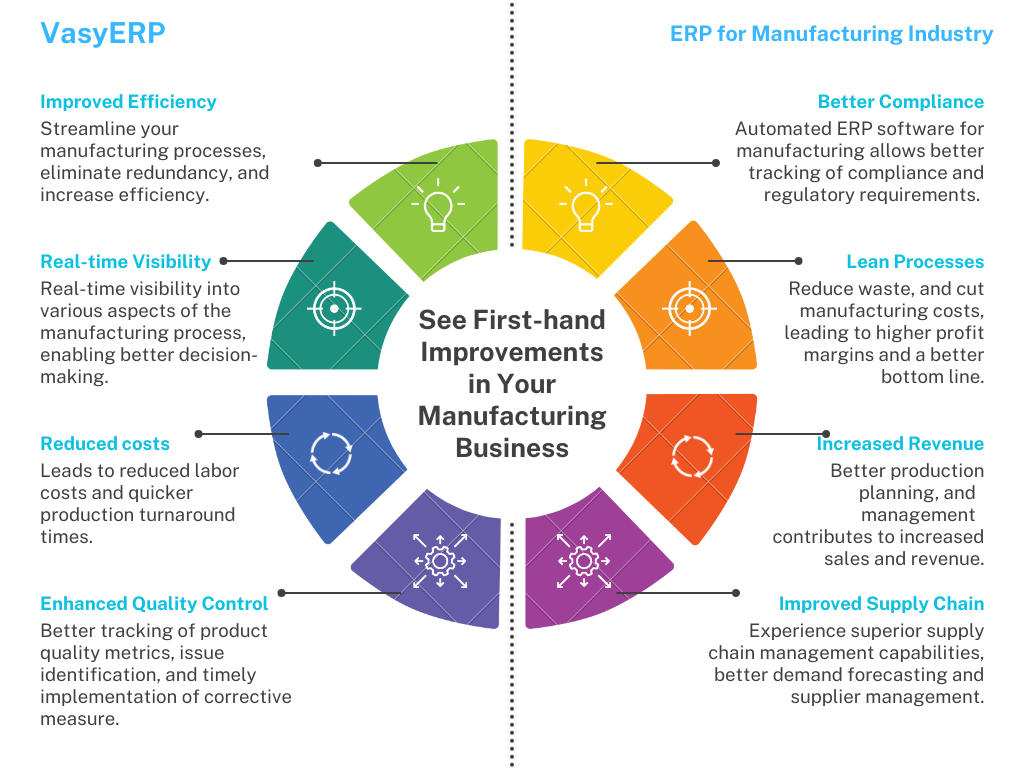
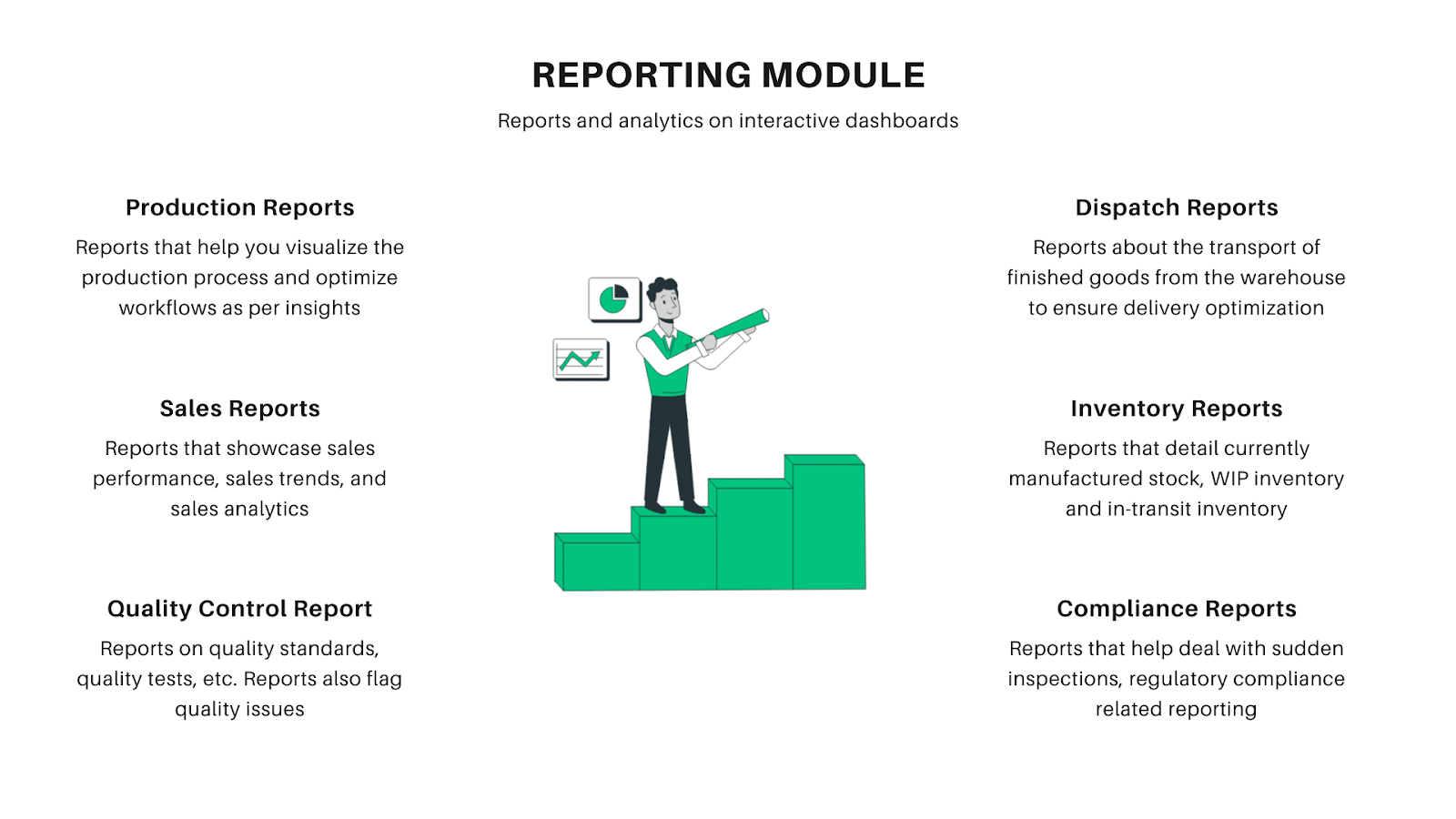
A. Suggest content that can go as an image. Images are more readable and attract the attention of the readers.
For Instance, see how the images below explain the content.
B. Add Facts
For instance:
The Quick Commerce (Quick Commerce) Market in India is expected to experience substantial growth, with a compound annual growth rate (CAGR) of 63% from 2023 to 2030. BBnow, Swiggy Instamart, Zepto, and Blinkit are big players in this category. They started in the past two or three years.
C. Add Tables
For Instance:
| Type of App | Basic Version Hours: |
Advanced Version Hours: |
Basic Version Cost | Advanced Version Cost |
| Digital Wallet | ||||
| Trading App | ||||
| Neo Banking | ||||
| P2P Lending app | ||||
| Mobile banking app | ||||
| Cryptocurrency Wallet App | ||||
| Insurance App | ||||
| Robo Advisor App | ||||
| Investment App | ||||
| Payment App |
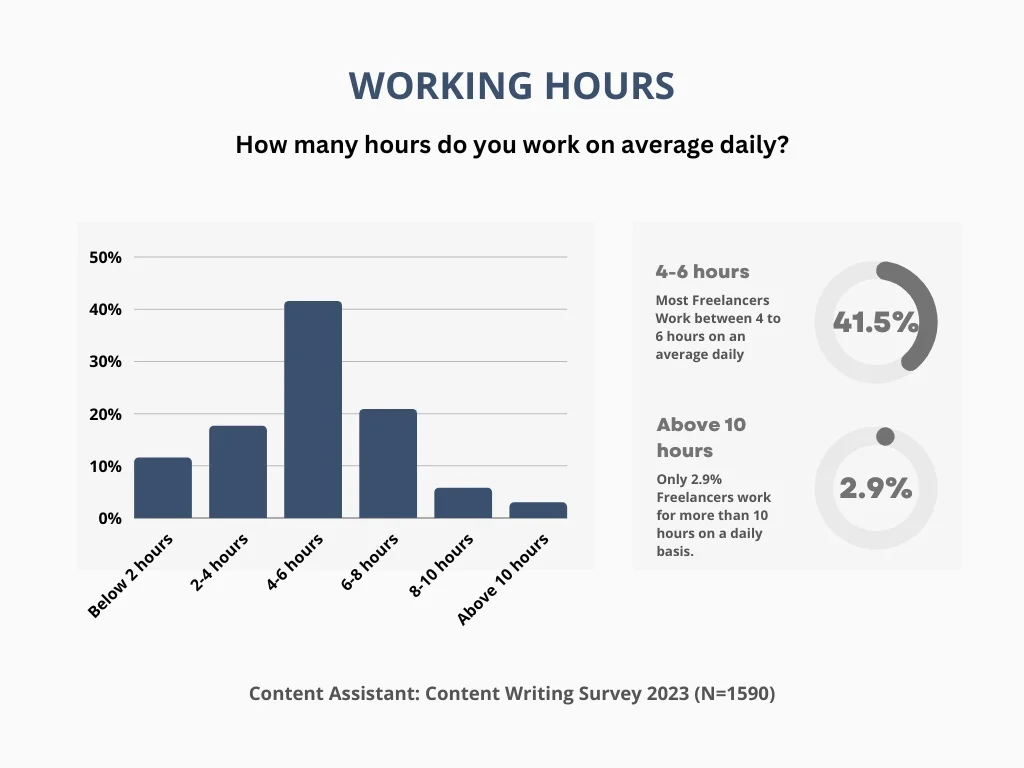
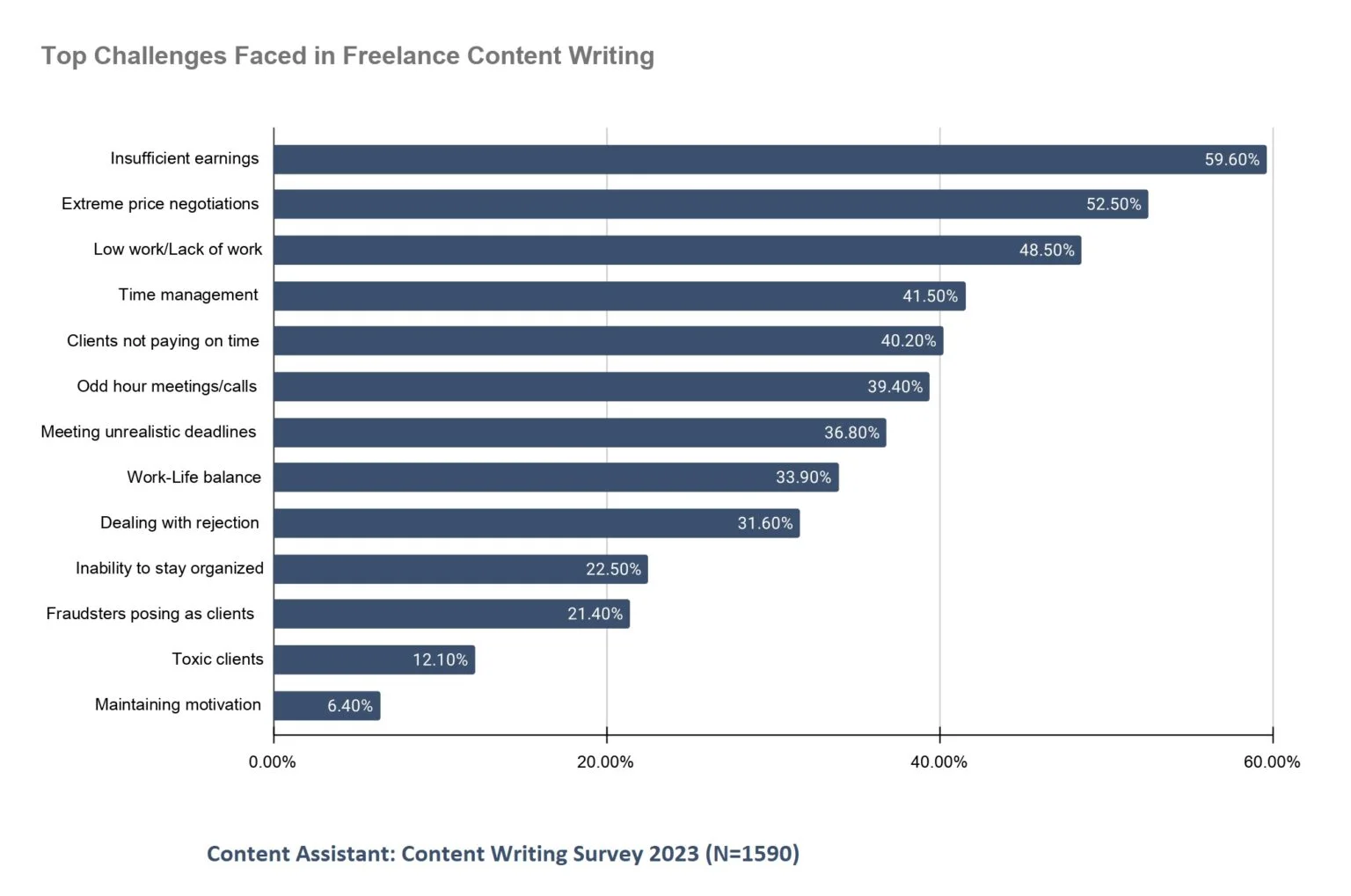
D. Add Graphs wherever required
For Instance:
See the two graphs below: Any stats you find online can be changed into graphs
E. Provide an analogy
For example, see below:
Have you ever thought about how the Eiffel Tower has withstood the harsh weather, loads, and lightning events for over 135 years? Its physical structure and architectural framework provide it with stability and support. Similarly, mobile app development frameworks provide a stable foundation for building apps that can work flawlessly on multiple platforms, devices, OS, and third-party services. The frameworks ensure stability in user interactions, functionality, and performance.
Think of mobile app development frameworks as pre-built tools, packages, and code extensions that can be used to develop a mobile app rather than coding everything from scratch. The frameworks help developers code large applications more efficiently by allowing them to reuse code and design components.
In the rapidly evolving world of mobile app development, developers must stay updated with the latest frameworks. Whether you are looking for a top mobile app development framework for Android or iOS, this post will help you select the right framework for your needs.
This article lists the top 10 mobile app development frameworks in 2024. But before that, let’s understand these frameworks, their types, and their key features.
F. Provide a Story/Anecdote to relate:
For example:
Most of you must have heard the story of David and Goliath, a 9-foot-tall giant Philistine warrior –‘Goliath’ who was killed by a young Israelite shepherd boy –‘David’ in combat. David had only a slingshot as a weapon, but was able to defeat Goliath because he struck at the right place-Goliath’s forehead, his most vulnerable part.
The same is true with bugs and cyber threats. The irony is that I am referring to the ‘bugs’ as David and the whole IT system of an organization as ‘Goliath.’ A small malware or a loophole in the system can crash the entire system if the malware exploits the right vulnerability in the system. To safeguard our IT systems against this, we require an effective patch management system.
G. Add News Piece
For Instance:
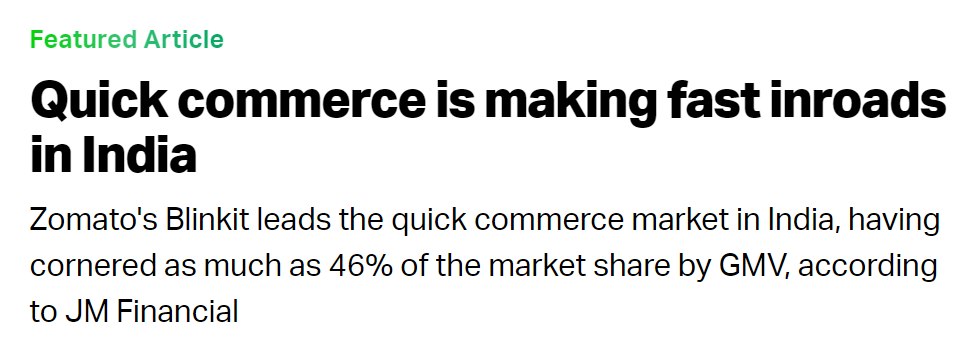
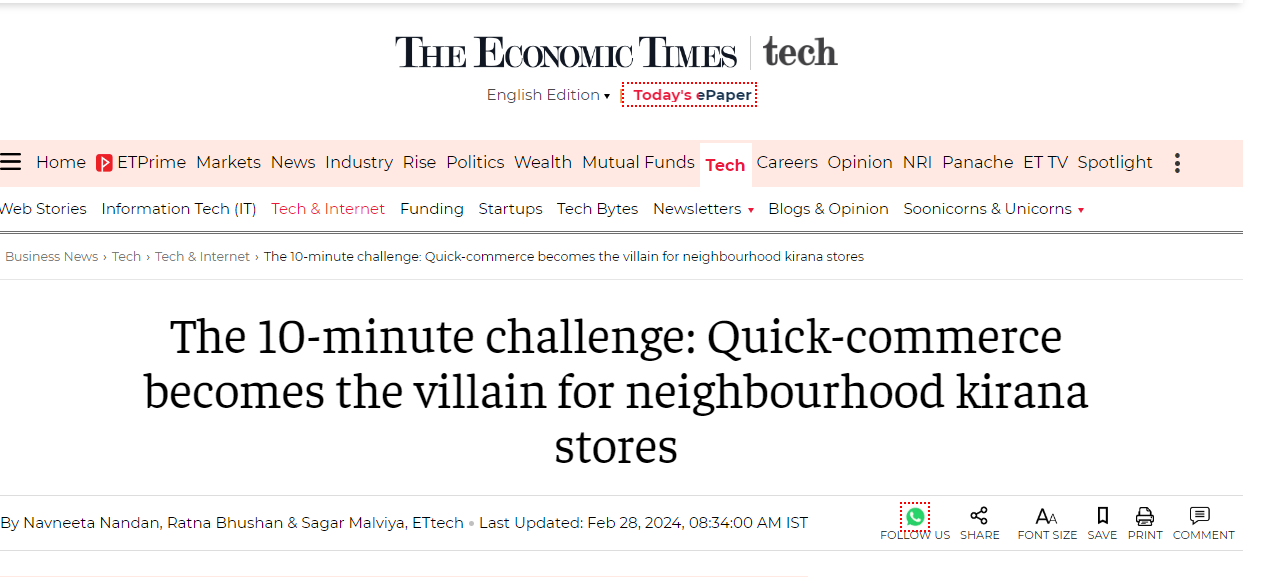
For the list of all elements that make content engaging, click here.
Point 3: Readability
Writing Style:
- Keep English simple.
- Keep Sentences Short
- Do not use the same words repetitively.
- Check for Readability Score, keep above 30
Point 4: Making Content SEO-Friendly
- Give a Proper heading Structure to the Articles H1, H2, and H3.
- Use Keywords in H2 and H3
- Add external and internal links.
Best practices for Internal linking:
https://backlinko.com/hub/seo/internal-links
Best practices for External Linking: https://blog.hubspot.com/blog/tabid/6307/bid/235/no-website-is-an-island-why-and-how-to-link-to-others.aspx
How to Write Content that Ranks?
https://blog.hubspot.com/marketing/blogging-for-seo
Point 5: Proof-Read Before You Submit
- Proofread: Check for Spelling, Grammar, Language Flow, Sentence Sequence, Headings, and CTAs.
- Check on Grammarly for Errors
- Check on Duplichecker for Plagiarism, keep below 4%
Wrapping Up:
The above guidelines emphasize the importance of creating original, engaging, SEO-friendly, and GEO-friendly content that is also readable and accurate. By following these comprehensive guidelines, content writers can create content that resonates with their audience, ranks well in search engines, and adds value to the digital landscape.